Documents
Write a motivation letter
A motivation letter connects your preparation, the specific opportunity and what you want to achieve. The provider’s question and word limit come first.
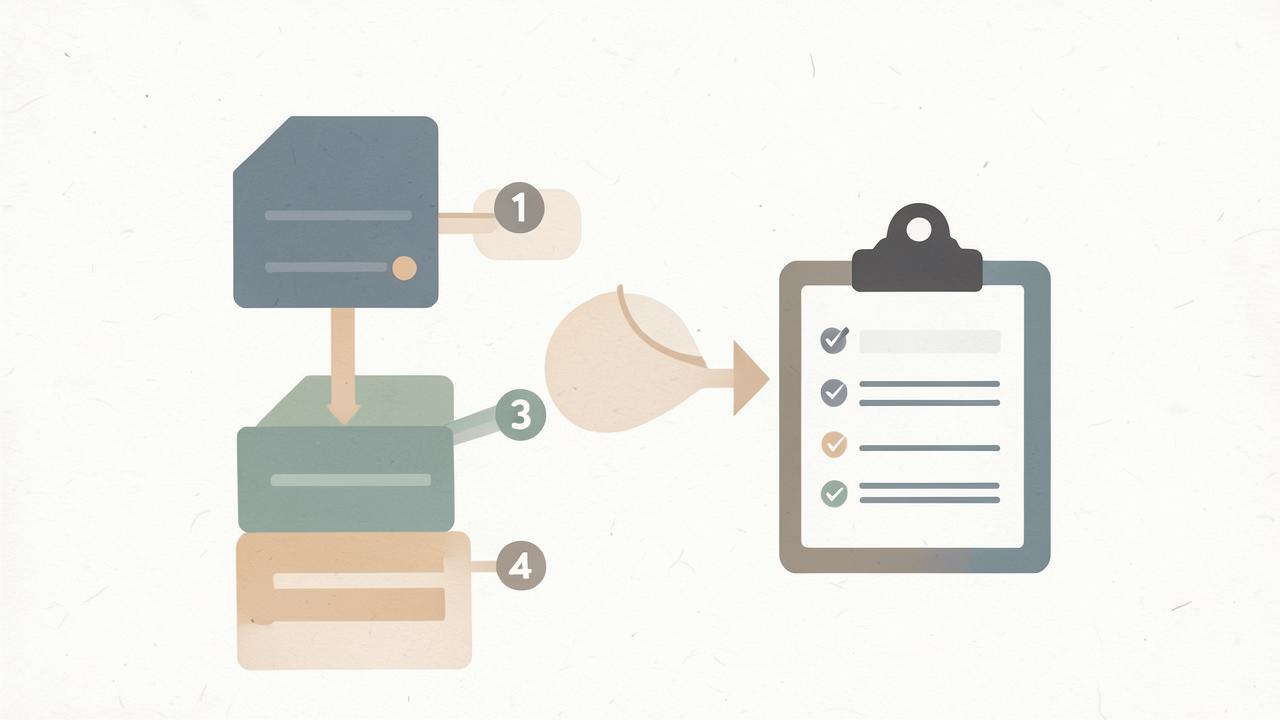
A motivation letter connects your preparation, the specific opportunity and what you want to achieve. The provider’s question and word limit come first.
Make a three-part evidence plan
Write down why this subject matters to you, what you have done that prepares you for it and why this programme is a good next step. For each point, choose an example rather than a general claim.
Explain the fit
Refer to a relevant module, research direction or learning opportunity and explain how it connects to your goals. Listing the university’s reputation does little to distinguish your application. Avoid repeating a department description without explaining its relevance to you.
Be honest about your story
A career change or interruption can be part of the explanation. Describe what the reader needs to understand your decision, without making disclosure of trauma the centre of an ordinary academic application. For a risk-based scheme, follow its separate evidence requirements.
Edit for usefulness
Remove sentences that could be sent unchanged to any programme. Read the draft aloud and check that each paragraph has a purpose. Ask a reader what they learned about your preparation and plans. Keep the final text in your own voice and obey any restriction on writing assistance.
Your checklist
- Prompt and length followed
- Specific programme fit explained
- Claims supported by real examples
- Final letter sounds like you
Checklist
Ticks are only for this page visit and are not saved anywhere.
Official resources
Related content
Templates you can use
Sources
- Personal statement and statement of purpose — University of Oxford · Official source · Checked 10 September 2026
Used for: Official procedures referenced in this guide
- Information for scholarship applicants — DAAD · Official source · Checked 10 September 2026
Used for: Official procedures referenced in this guide